About
I design products where software meets people, hardware, and lately, AI. Most of them have to work somewhere less forgiving than a presentation.
I don’t think there was one moment when I became a designer. What I have instead is a short list of things I believe, and I can name the work that taught me each one.
Systems before screens
Architecture ·
2010 – 2016
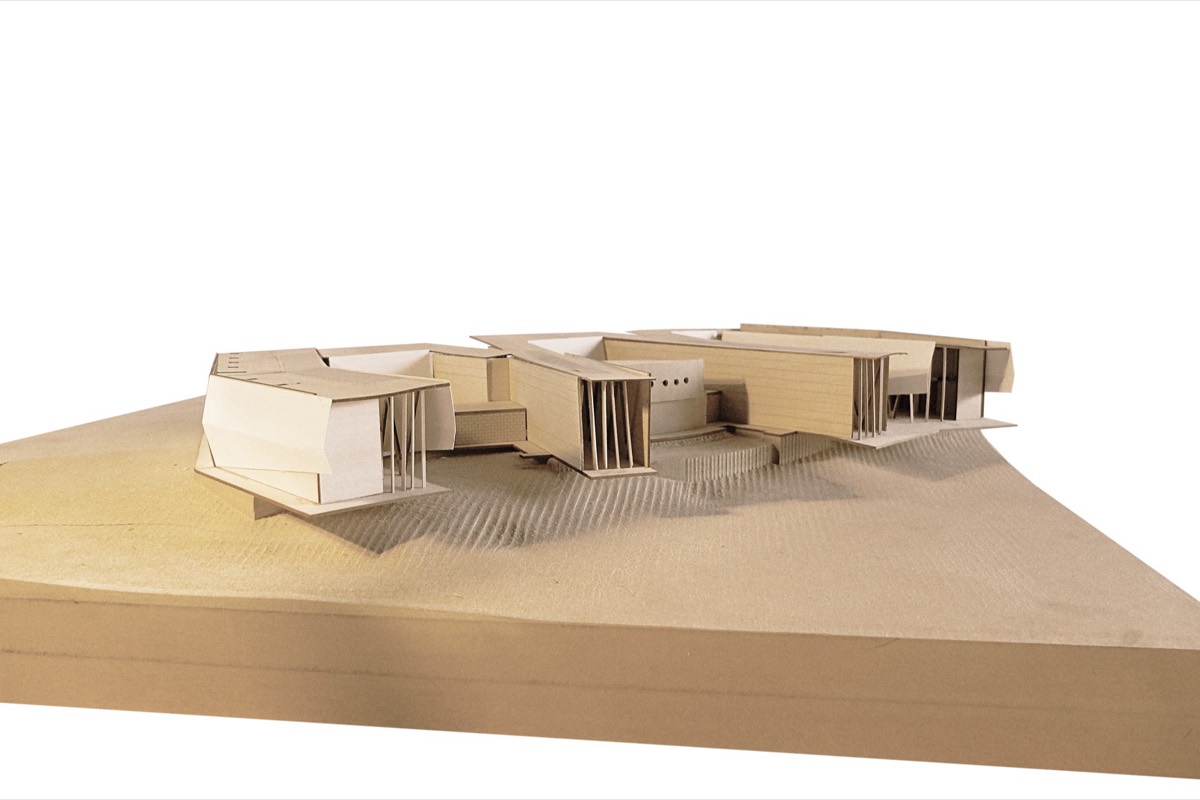
Architecture school has a funny way of separating your ego from your work. Usually with a room full of people explaining why your design doesn’t work. Every week at the University of Arizona we pinned our work to a wall and listened while professors and classmates took it apart. Eventually criticism stopped feeling personal and became information.
It also taught me that a building is a system before it is a picture. You start with what it has to contain and how people move through it. I still draw those two things first. They go by information architecture and user flows now.
The door into product design turned out to be a website. Booth Hansen was about to hire an agency to rebuild theirs, so I made the case to do it myself. The result was more than thirty custom WordPress pages and about $50,000 saved against the outside quotes. It was the first time I watched a design move a number somebody else cared about.
The route from there was not direct. Research, freelance work, marketing, agency projects, and in-house product teams each added something useful. Research taught me to watch closely. Marketing taught me how businesses decide what to fund. Writing front end taught me that every design decision has an implementation cost.
Look for evidence you are wrong
Rheaply ·
2021 – 2023
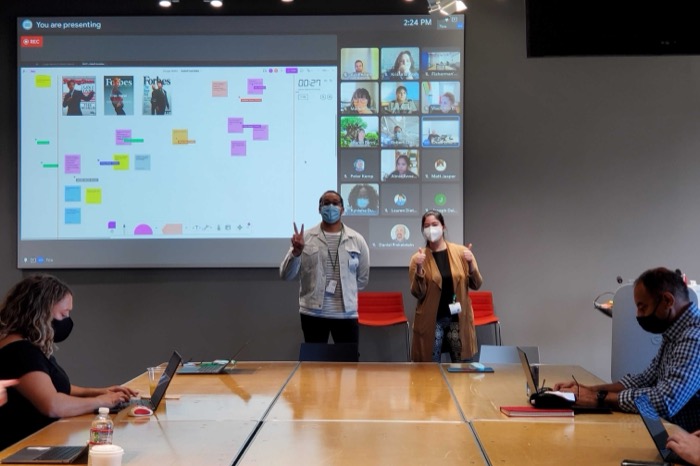
Rheaply changed the order I work in. I spent two years on an asset platform for workplace teams, including a Google engagement that covered 238 buildings full of things nobody could count. I ran 46 research sessions, the most I have done on one project.
Before it, research was something I did because it was part of the process. After it, research was the process. I stopped trying to prove my ideas were right and started looking for evidence that they were wrong. When the first data model failed in implementation, the research gave us enough understanding to replace it instead of defending it.
I also started writing production code because the team was small and helping was more useful than waiting. Nothing builds empathy for engineers faster than spending two hours implementing your own simple design change.
I started weekly company-wide design office hours too. Most of the people in the room were not designers. That is where I discovered how much I like making other people better at the work.
Put the work where people can argue with it
Runwise ·
2023 – now
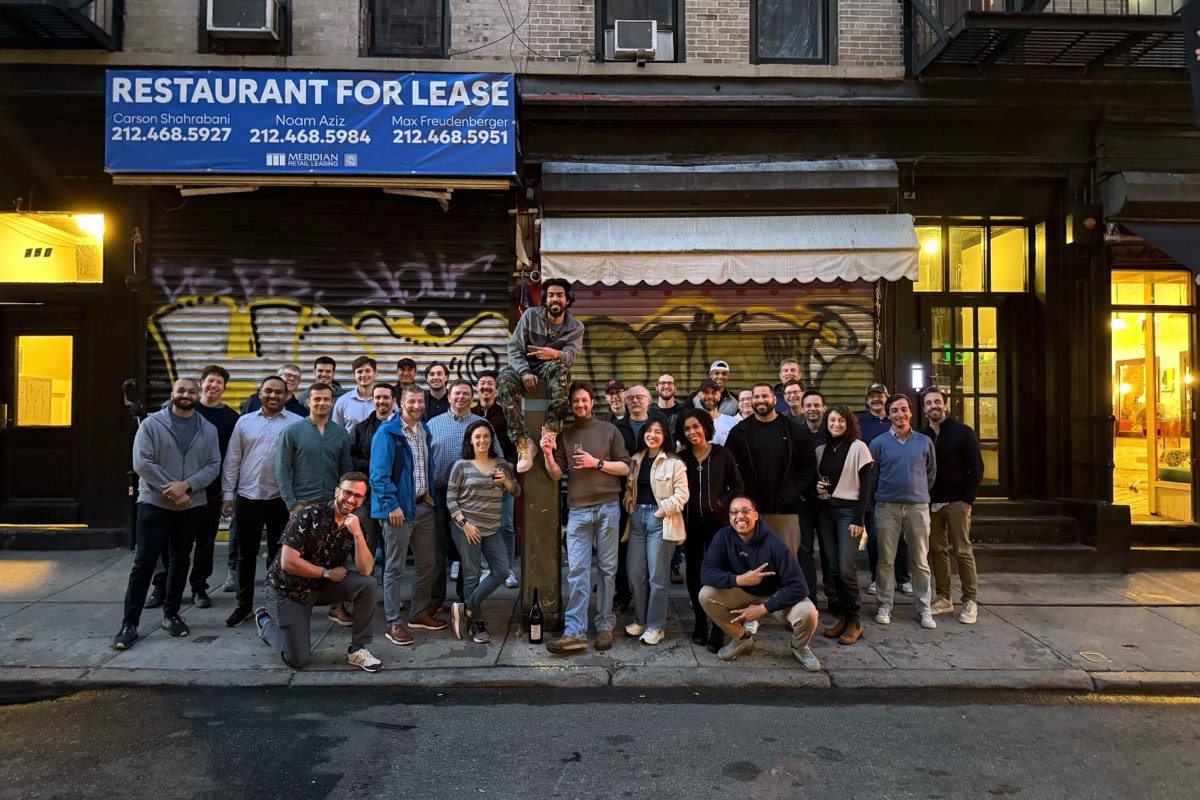
I joined Runwise as the company’s first designer and assumed the job would mostly be designing software. It turned out I was also designing how the company designs. The product controls buildings, and the people using it range from property managers at desks to technicians installing hardware in hundred-year-old basements with no signal.
I work in the open. Every version goes into a company channel, numbered and annotated with the questions I have not answered yet. Engineers, product managers, sales, support, and installers can all argue with it while changing direction is still inexpensive. It feels a lot like architecture school, only the wall is Slack.
Early on, I designed installation flows before watching a technician use them in a real basement. They worked, but later field visits showed me what the screens could not: the physical sequence, connectivity, and the moments when someone had to stop and ask for help. Field validation has been part of the work ever since.
One of the projects I am proudest of never shipped. I spent about a year exploring multi-zone controls and stopped believing in the direction somewhere in the middle. I pulled the usage data myself: 498 people had touched the feature across 334,512 sessions. Then I made the case to stop, to the same product leader who had asked for the designs. Five years earlier I would have defended the work.
Trust comes from undo
AI · now
The newest of these systems is AI, and I mean designing it rather than merely using it. I design and co-build agents that investigate buildings, read our codebases, and prepare fixes. Nothing they write moves forward until a person opens a test link, tries the working version, and approves it.
That approval gate is the part I would defend hardest. What keeps me interested is not how much a model can do on its own. It is how people understand what it did, decide whether to trust it, and undo it when it was wrong.
Looking back
My career does not feel nearly as planned as it probably looks written down. It mostly feels like saying yes to interesting problems, being wrong more often than I would like, and getting lucky enough to work with people willing to tell me when I am.
Off the clock
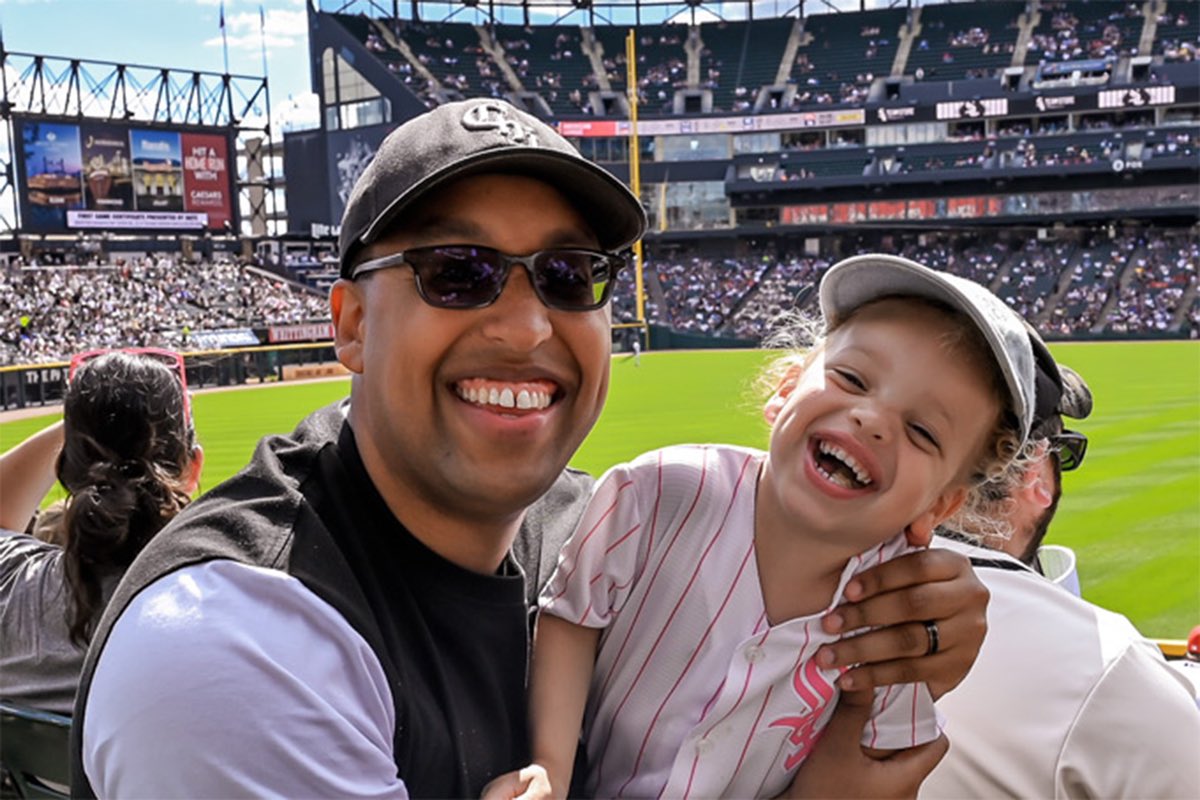
Outside of work almost all of it goes to my daughter. She plays baseball and soccer right now, and I am at all of it. A sideline is the one place I know of where the right move is to keep my mouth shut and let somebody else figure it out. I am not naturally good at that.
The rest is the Chicago Bears, the Chicago White Sox, and the Georgia Bulldogs. Two of those are an exercise in patience. Sports are the only thing I follow this closely that I have no ability to improve, which is probably why I need them.
I’d love to hear what you’re working on. Email me. I answer.